
Write On
by Kalela Williams
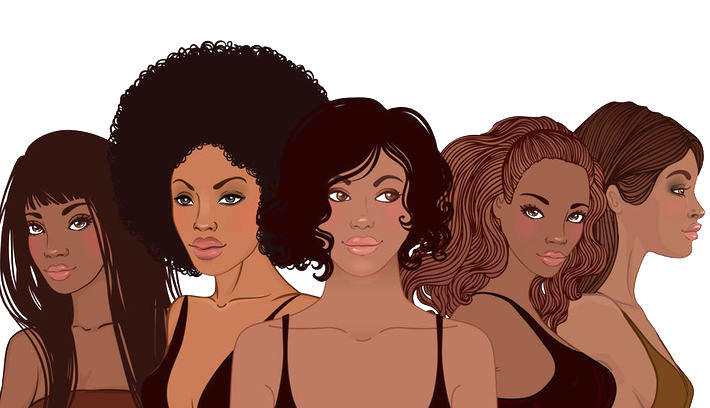
Seen, Heard, Recognized
Yes, we rock. But are we being reckoned with?
What does it mean to be seen?
What does it mean to be heard?
What does it mean to be recognized?
Being a woman, and a Black woman at that, these are familiar questions I keep in the back of my mind as I navigate this world. And they’re questions that have taken up especial meaning and space for me during Women’s History Month as I’ve taken part in book talks, chatted with colleagues, and heard from academics.
To Be Seen
The Vanishing Half by Brit Bennett, which a small group of Mighty Writers supporters discussed this past month, is a novel about “passing”— passing for white when one is Black in the Jim Crow Era and passing between being seen and unseen. For two twins, Desiree and Stella, life offers different paths, with Stella blending into a white world and Desiree claiming her Blackness. Stella is constantly terrified of being seen for who she is— a person of African ancestry. Desiree, in leaving an abusive relationship, wants to be seen as her own person. Being seen for who we are has historically been a collective question on the minds of women. What does being seen mean to you? What do we gain when we are seen for who we are—and what can we lose?
To Be Heard
“Often you’re the only woman in the room,” Grace Bernicker, a Mighty Writers instructor relayed to me as she talked about her experiences as a singer-songwriter in the music industry. This was in part why she created Mighty Girls Rock, a workshop for girls aged 7-10. Mighty Girls Rock is sponsored by Alicia Keys’ foundation, She Is the Music, and every two weeks the girls focus on a different genre, from jazz to classical, and they learn how these genres have informed one another. They create songs, often using a kid-friendly production software called Soundtrack. They hear from special guests, everyone from the conductor of the Philadelphia Orchestra to an entertainment attorney, so that they see women in various roles. “I want to introduce girls to all different facets of the music industry,” Grace says. Her enthusiasm resonates. “I love this class, and I love Mighty Writers.”
To Be Recognized
Four years ago, shortly after the 2016 Presidential Inauguration, an author, activist and professor named Dr. Keeanga-Yamahtta Taylor was one of the people behind a historic International Women’s Day protest. She helped organize A Day Without a Woman, an effort that asked women not to work, to show their influence in their absence. This is what she called “Feminism for the 99 percent.”
In a recent interview with me, she said we’ve come to associate feminism as “breaking class ceilings to become political leaders or corporate champions.” But she believes we also need to champion the equality and rights of working-class women to live meaningful lives, saying, “if your only perception of feminism is creating more women CEOs… you’re ignoring the reality of a vast majority of women.”
I’m writing this piece in the wake of a very painful reality, that of six Asian women, and eight people total, shot to death March 16 in a horrific mass murder. This recent act of violence is on the heels of a rise in anti-Asian discrimination across the country. It underscores that feminism isn’t feminism if this movement doesn’t see and hear the needs of working class women, many of whom are immigrants, and agitate loudly and clearly with them for their rights and safety. Shattering glass ceilings means nothing when the jagged glass of gunshot-shattered windows litters our path.
To be seen, heard, and recognized isn’t the same as being reckoned with. And that, sisters, is what we’ve got to be.

Kalela Williams (kwilliams@mightywriters.org) is MW’s Director of Writing.