Write On
by Kalela Williams
Looking for Poetic Justice
What I'm Reading to Make Sense of the George Floyd Trauma
This column was meant to be a standard one about National Poetry Month. It was perhaps meant to showcase poems that touch upon springtime, which we’re all eager to embrace; or maybe those exploring gathering and distance, themes woven into how we’ve lived and coped during the pandemic.
But I’m writing this piece with the Derek Chauvin trial playing in the background. I’ve been half-listening to the proceedings as I’ve worked, playing it at a low volume as not to distract me. The Mighty Writers kids I teach are thinking of the trial, too. My tweens and teens, on Spring Break during the first week of April, have been especially eager to share their work. Imagery of blood-stained American flags and blood-stained pavement, of last breaths and last words, of Black boys racing from blue-uniformed officers, of wide-eyed fear, pulse through their poems.
So as I think of National Poetry Month, I’m thinking of the violence George Floyd endured as he called for his mother. I’m thinking of the aching trauma of those standing as witnesses, both on the sidewalk outside Cup Foods that day, or behind the shielded podium in a Minneapolis courtroom. I’m thinking of my young writers’ fear. Here’s what I’m reading to make sense of it all:
The Hill We Climb: An Inaugural Poem for the Country by Amanda Gorman
The March 30th release of a commemorative edition of the poem that resonated with the nation at Joe Biden and Kamala Harris’ swearing-in feels almost prophetic. The lines “we’ve learned that quiet isn’t always peace/and the norms and notions/of what just is/isn’t always just-ice” ring especially loud this week, as we wait to claim her promised dawn.
“say it with your whole black mouth” by Danez Smith
Appearing in their collection Don’t Call Us Dead, a finalist for the 2017 National Book Award, this stunning work begins: “say it with your whole black mouth/I am innocent/& if you are not innocent, say this: I am worthy/of forgiveness, of breath after breath.” The pain of “I can’t breathe:” those last words, that rallying cry, are exhaled in this work.
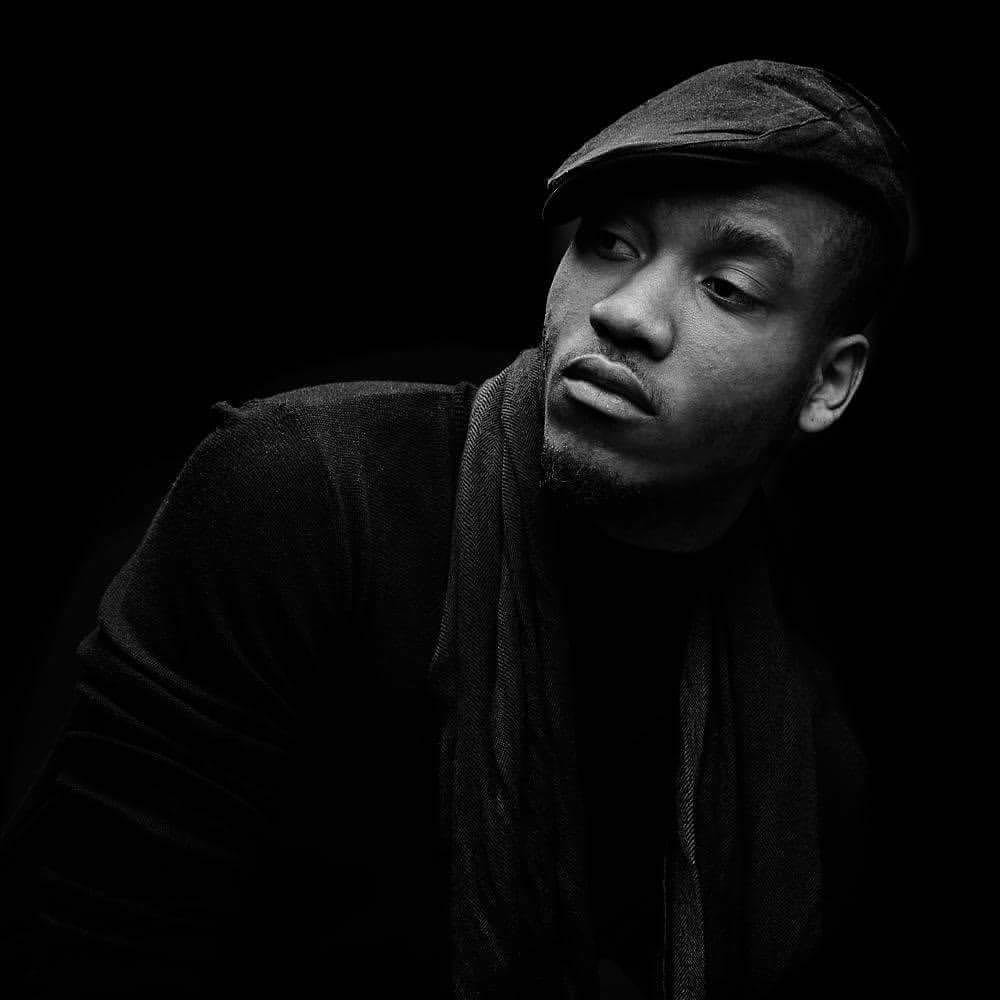
Poet Donte Collins’ work is devastating, and what it asks is on the minds of MW kids.
“what the dead know by heart” by Donte Collins
The speaker in Donte Collins’ poem has seen themselves on a pavement of their imagination. They have questioned their fortune, stating, “I am alive by luck at this point. i wonder/often: if the gun that will unmake me/is yet made, what white birth/will bury me…” Collins’ work is devastating, and what it asks is sadly on the minds of the kids I interact with.
“Bullet Points” by Jericho Brown
Appearing in his Pulitzer Prize winning book and the One Book, One Philadelphia featured selection, The Tradition, this poem’s speaker declares whatever violence might befall them as murder: “I will not shoot myself/In the head, and I will not shoot myself/In the back, and I will not hang myself/With a trashbag, and if I do/I promise you, I will not do it/In a police car while handcuffed.”
These poets are speaking to what my Mighty Writers kids are afraid of, what they understand with their whole hearts as injustice. They are speaking to me, a Black woman with a Black father and a Black brother and a Black nephew, two men and a young boy beloved to me. They are speaking past National Poetry Month, into a sense of timelessness and undue peril dating back to this country’s very beginning, which I hope cannot last much longer.

Kalela Williams (kwilliams@mightywriters.org) is MW’s Director of Writing.
Stay connected!
Enter your email address below to receive our Mighty updates!
Mighty Writers is a class 501(c)(3) nonprofit organization established in 2009. All of our programs are free. We serve communities in and around Greater Philadelphia and New Jersey.